From the Stage to the Workforce: Why Durable Skills Matter More Than Ever
Dr. Rene Ribant, Ed.D. | February 23, 2026
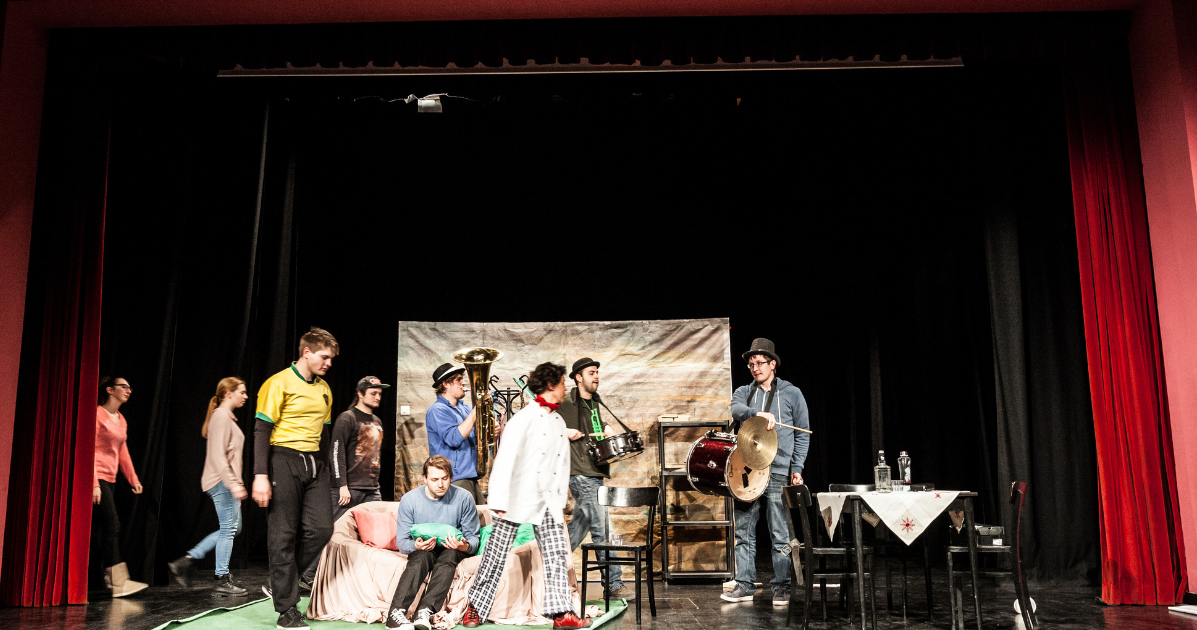
Before I became an assistant principal and instructional leader, before I coordinated testing schedules and talked career readiness in conference rooms, I was a theatre teacher. That is an uncommon starting point on the path to educational leadership, but it has shaped how I see students, learning, and preparation for life beyond school. Theatre doesn't just teach students how to perform. It reveals something far more important: career success is not content bound; it is skill driven. These skills are often referred to as "soft" skills. I call them durable skills.
Theatre made those skills visible and alive for me. Collaboration, adaptability, feedback, resilience, and professionalism weren't side effects of the work. They were the work. Today, as we talk more urgently about preparing students for an unpredictable future workforce, those same skills have moved from "nice to have" to non-negotiable for students to have a successful career.
The Skills That Outlast Job Titles
We often say we're preparing students for jobs that don't exist yet. That reality can feel daunting, but it also clarifies our purpose. If job titles are temporary, then skill development must be durable. Employers consistently emphasize the same competencies across industries: communication, teamwork, problem-solving, adaptability, accountability, and self-management. These skills transcend roles and technologies. They are what empower humans in the workforce to pivot, grow, and remain relevant. These skills persist long after any specific content standard or testing format has changed.
On my journey with this work, theatre was simply an early example of a learning environment where these skills were practiced daily, assessed formatively, and refined over time. But these competencies are not exclusive to the arts; they are embedded in effective learning everywhere. Too often, however, school experiences prioritize helping students perform well in narrow, high-stakes moments rather than equipping them to navigate complex, unpredictable situations that they're likely to face in their careers. Teaching students how to be good test-takers may improve short-term outcomes, but it rarely builds the habits of thinking and behavior they'll need when there is no rubric, no answer key, and no opportunity to bubble in a response.
Effective learning environments allow students to take risks, make mistakes, and recover with support. Theatre does this publicly, but the principle applies everywhere. Students who practice accountability, empathy, time management, and teamwork in school build habits that transfer directly to professional life. They learn how to navigate conflict, manage deadlines, and contribute meaningfully to a group before the consequences are tied to employment.
In theatre, feedback is immediate and unavoidable. Notes aren't personal; they're instructional. Rejection isn't failure; it's information. Those lessons translate directly to the workplace. Employees are evaluated, coached, and expected to grow. Students who learn early how to receive feedback, reflect, and adjust develop a growth mindset that serves them well beyond school. Learning environments should normalize iteration instead of perfection. This will result in students building resilience before real-world consequences are attached.
Reframing "Soft Skills" as Durable Skills
The term "soft skills" does these competencies a disservice. They are durable, measurable, and explicitly demanded by employers. They are too often valued in theory but insufficiently prioritized in preparational practice.
If you scan current job postings across education, healthcare, business, and technology, you'll see the same language repeatedly. Employers are now explicit about the skills they expect: collaboration, communication, adaptability, accountability, and problem-solving. The message is clear that these competencies are no longer optional.
This creates responsibility for educators. If these skills are required for success beyond graduation, then they cannot remain incidental outcomes of schooling. They must be taught intentionally, practiced deliberately, and assessed with the same seriousness as content knowledge. Preparing students for the future means designing learning experiences that develop how students think, work, communicate, and respond to feedback. It's no longer solely about what they know. When we treat these skills as teachable, observable, and improvable, we move from hoping students pick them up to ensuring they leave school with them.
The shift happens when we stop asking students, "What do you want to be?" and start asking, "What are you good at?" That question surfaces strengths. It opens pathways. It reframes identity from aspiration to capability.
Making Skills Visible with Jebbee
This is where Jebbee becomes a critical connector. Jebbee helps students identify, tag, and track the skills they're already developing across classes, extracurriculars, and real-world experiences. Instead of listing activities, students build a skills-based profile that reflects how they work, lead, and collaborate. Using Jebbee's skill catalog, students can explore careers that align with their strengths, see which employers value those skills, and translate their experiences into language that resonates beyond the classroom. A student doesn't just say, "I worked on a group project." They demonstrate collaboration, problem-solving, communication, and accountability. These are the skills employers recognize immediately.
Theatre didn't teach my students what job to choose. It taught them how to be successful wherever they landed. That's the goal of career readiness today. With intentional skill development and tools like Jebbee to make learning visible, we can help students understand that they are already building what the future demands.