Some days are exhausting.
Some days are overwhelming.
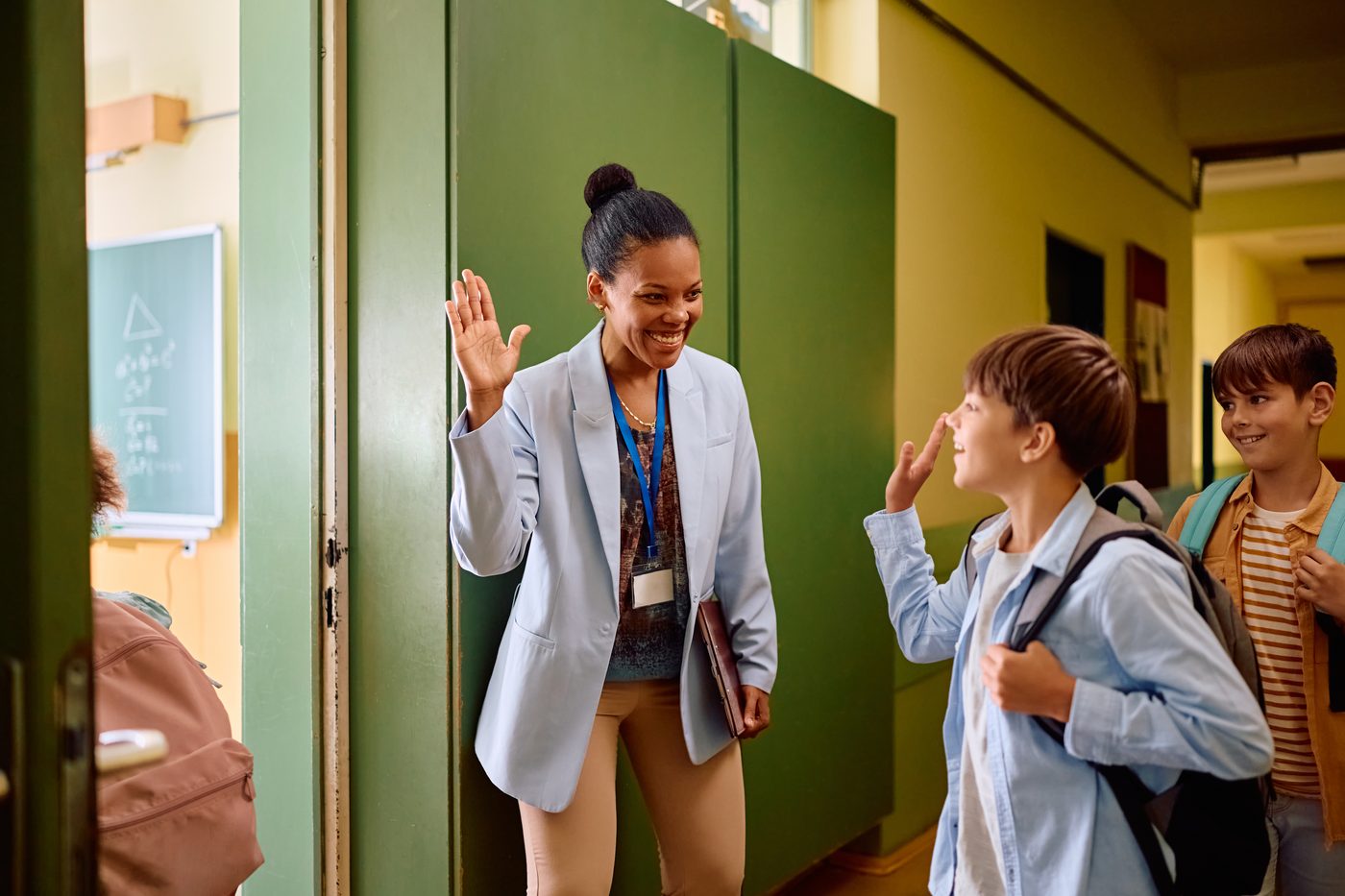
Still, I love my days as an assistant principal.
People usually groan, gasp, or apologize when I tell them I’m an assistant principal at one of Michigan’s largest high schools. They immediately imagine the worst parts of my job: disciplining students and having tough conversations with parents and teachers. They’re right, some days are incredibly difficult. I carry the emotional weight of staff struggles, student trauma, and parental frustration, often with little recognition. Additionally, I tackle endless “other duties as assigned” that pull me away from the work I trained for and envisioned as my calling.
If this were simply a job, those challenges might be enough to make me walk away. But education has never been just a job to me. It is a career defined by purpose, impact, and the opportunity to shape lives in ways no other profession allows. Every day, I get to help students grow and figure out how to navigate their own challenges. I get to support teachers and guide staff who also need help figuring out how to navigate their own challenges. We get to be part of moments that matter, what better way is there to spend our days?
Unfortunately, too many young people never see this side of work. They see adults who are fatigued and frustrated. They hear people complain about their jobs on social media, in the news, or around the dinner table. And if that’s the only version of adulthood they witness, it’s no wonder they feel hesitant, anxious, or cynical about their own future careers.
That’s a narrative we need to change.
We need to start showing young people what work can be when it’s done with passion and purpose. They need to see that adults can love what they do. I’m not suggesting we lie to them. We aren’t going to love our work all the time. But we need to show them enough to teach them that work is meaningful. They need to see adults who don’t just survive the workday but thrive in it. They need to see the possibility that their own jobs could be more than just a paycheck. They need to envision a future where there’s a chance to meaningfully contribute.
Work can be hard. But the difficulty doesn’t diminish its value, it amplifies it. The long days, the tough conversations, the extra responsibilities, they remind me why the work matters. They remind me that the impact we make isn’t always easy, but it’s real. And that’s exactly what young people need to see: that meaningful work is rarely effortless, but it is worth it.
When young people witness adults who find fulfillment in their careers, it shifts their mindset from “I have to work” to “I get to work.” It reminds them that they, too, can choose purpose, make a difference, and find joy in contributing. It encourages them to take risks and approach their future careers with optimism rather than fear.

We cannot afford to let fatigue, frustration, or cynicism be the dominant narrative that young people inherit. Instead, we must highlight the adults who intentionally show up every day. We must let students see that the workplace can be a place of growth and joy. Because when they see it, they start to believe it. And when they believe it, they’re more likely to step into their own futures with courage and curiosity.
I want students to know this: work isn’t just about surviving or paying bills. Work can be about purpose. Work can be about impact. Work can be about connection. Work can be hard, but it can also be deeply rewarding.
If more young people could see adults who love what they do, imagine what that could do for the next generation. Imagine a workforce filled not with reluctant employees, but with people motivated by passion and purpose. Imagine schools, businesses, and communities energized by people who see the value in their work and in the work of others. Imagine a world where the story of adulthood isn’t one of exhaustion and burnout, but of contribution, growth, and meaning.
Jebbee gives us a powerful opportunity to change the narrative around work in a way that feels authentic and accessible to students. Instead of only hearing about jobs in abstract terms or through outdated career days, students can see real people sharing real experiences. They can follow professionals who genuinely enjoy what they do, explore different career paths through lived stories, and engage with mentors who model passion, resilience, and purpose. By elevating voices of people who love their work, we create a more balanced and honest picture of adulthood.
When used intentionally, Jebbee allows us to spotlight educators, tradespeople, entrepreneurs, healthcare workers, and countless others who find meaning in their daily work. Students don’t just hear that meaningful careers exist, they see them, interact with them, and begin to imagine themselves in those roles. That visibility matters. Because when young people can connect with individuals who love what they do, it makes purpose feel attainable. It turns inspiration into direction, and curiosity into action. Jebbee can help give the next generation permission to love what they do too.
— Dr. Rene Ribant, Ed.D.