Career Readiness
Beyond the GPA: Why Real-World Experience Matters More Than Grades Alone
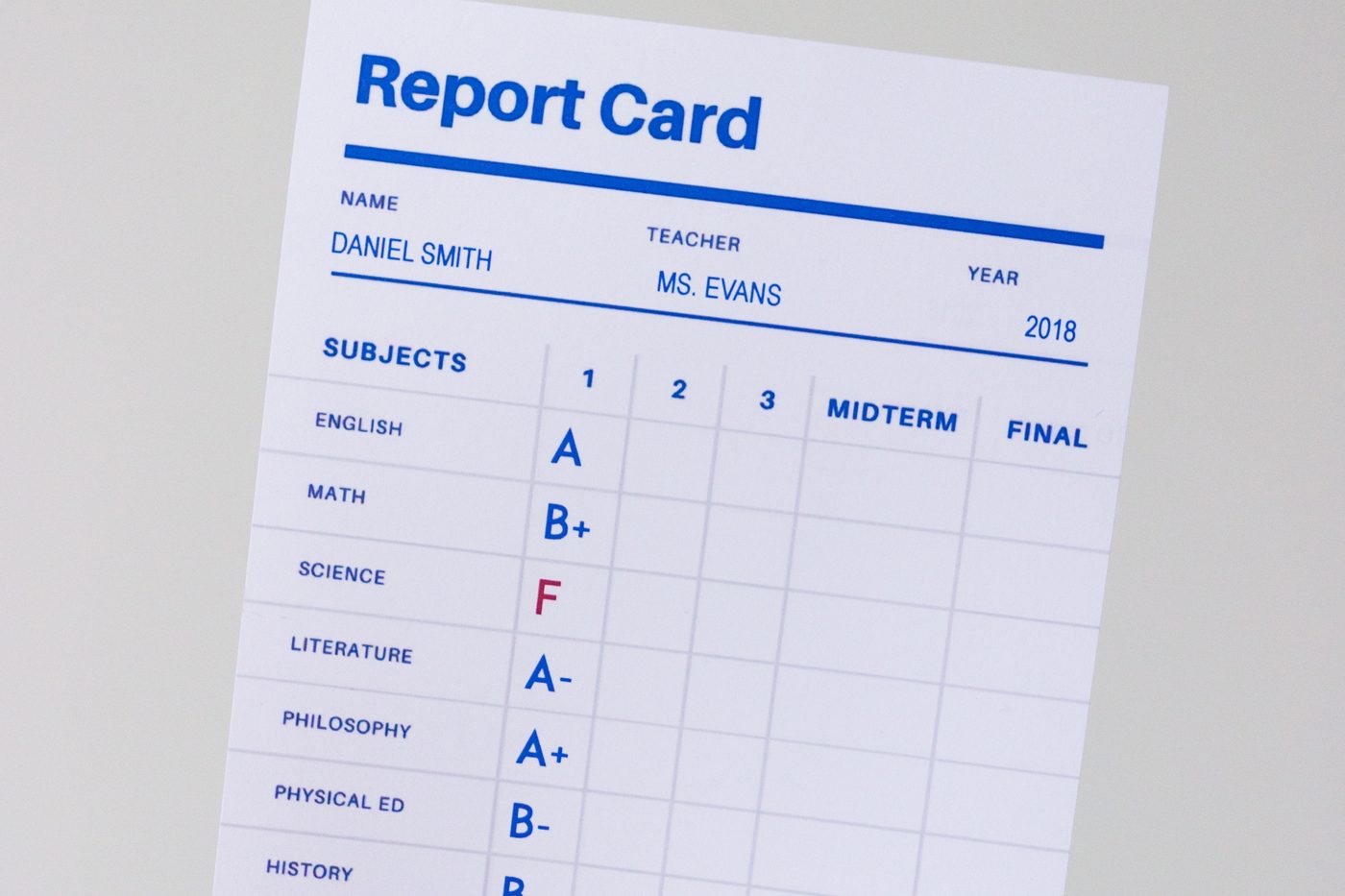
Grades matter. They can demonstrate academic knowledge, effort, and a student's ability to meet expectations. But when students eventually enter an interview, apply for an internship, or begin their first job, employers are interested in something a transcript cannot always show: What can you actually do?
A student may earn an A in a class, but employers also want to know whether that student can communicate with others, solve problems, meet deadlines, work as part of a team, and adapt when something goes wrong. Those abilities are often developed through real-world experiences.
Experience Happens Everywhere
When students hear the phrase "work experience," they often assume it means having a part-time job. But meaningful experiences can happen almost anywhere.
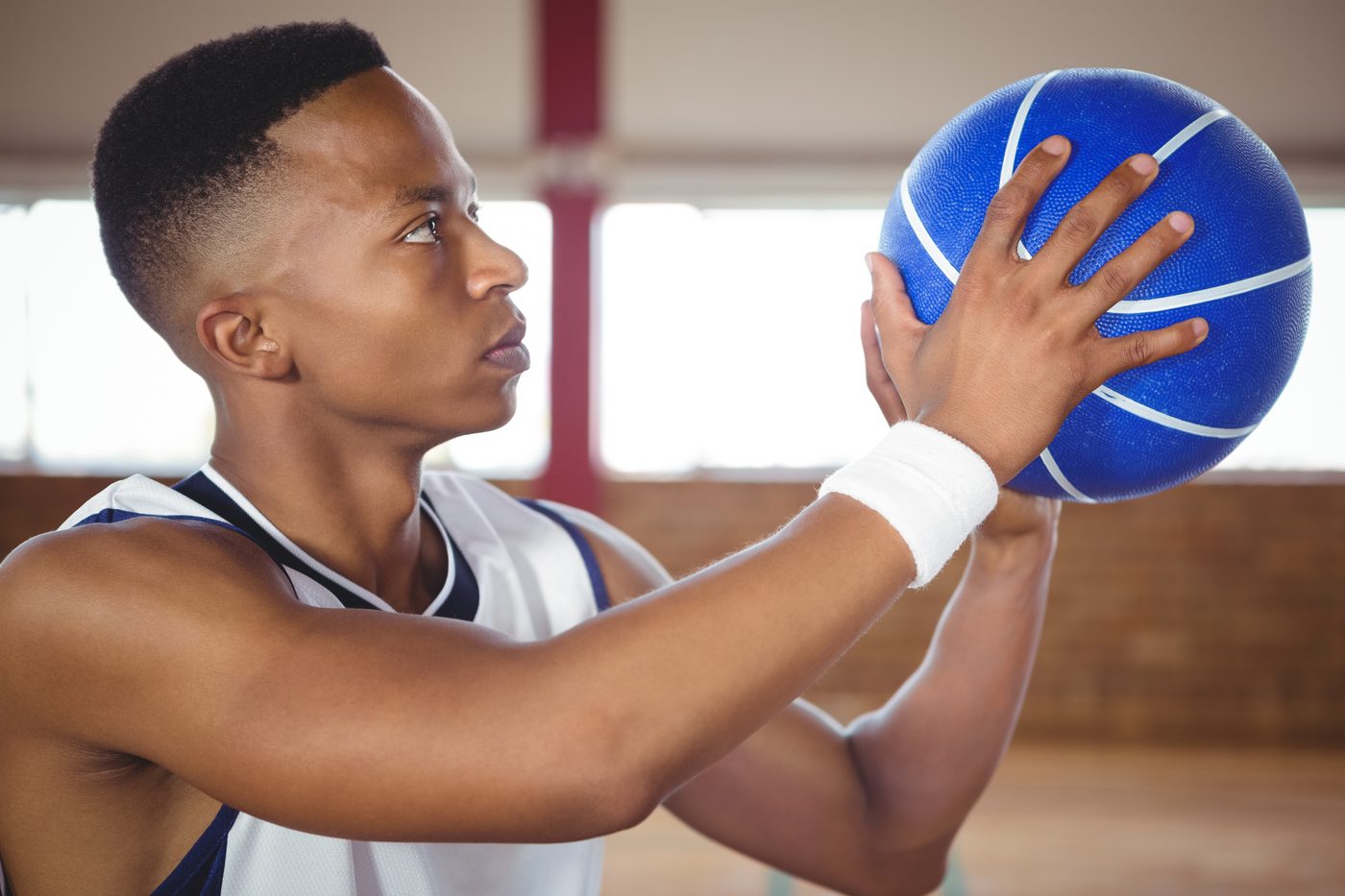
A student who plays on a sports team learns teamwork, perseverance, and accountability. A student involved in theatre learns communication, collaboration, creativity, and how to perform under pressure. A student who volunteers develops responsibility and empathy. A student who babysits, helps with a family business, participates in a club, completes a class project, or takes on a leadership role is developing skills that can eventually transfer to the workplace.
The challenge is helping students recognize those skills and learn how to talk about them. That's where career readiness education becomes so important.
From "I Did This" to "I Learned This"
Consider the difference between these two statements:
"I was on the basketball team."
and
"Being part of the basketball team taught me how to accept feedback, communicate with teammates, manage my time, and continue working toward a goal when things didn't go as planned."
The experience didn't change. The student's ability to understand and articulate the value of that experience did. Helping students make those connections is one of the most important things educators can do to prepare them for life after graduation.
Grades Tell Part of the Story
A transcript can tell a college or employer which courses a student completed and how well that student performed academically.
It doesn't necessarily show that the student organized a fundraiser, worked 15 hours a week while attending school, helped care for younger siblings, served as captain of a team, volunteered in the community, created something from scratch, or learned how to resolve a disagreement with a coworker.
These experiences help students develop the durable skills they will use across careers: communication, collaboration, critical thinking, adaptability, leadership, creativity, and problem-solving. Students need opportunities not only to develop these skills, but also to recognize and document them.
Where Jebbee Fits
Jebbee helps students connect their experiences today with the opportunities they may pursue tomorrow.
Through their Jebbee profile, students can begin documenting experiences, activities, clubs, accomplishments, education, and skills. Instead of waiting until senior year to suddenly remember everything they have done, students can build a record of their growth over time.
Jebbee's career exploration tools can take that process even further. Students can explore careers, investigate the skills employers are seeking, and begin asking an important question:
"What experiences can I pursue now that will help prepare me for where I want to go?"
That changes career exploration from simply choosing a job title into actively preparing for the future.
Try This in Your Classroom
You don't need to redesign your curriculum to incorporate career readiness. Ask students to think about something they have done recently: a class project, sport, club, volunteer experience, job, performance, competition, or responsibility at home.
Then ask three questions:
- What did you do?
- What skill did you use or develop?
- Where might you use that skill again in a future career?
Give students a few minutes to add that experience or skill to their Jebbee profile.
A five-minute reflection can help students begin seeing school and their experiences differently.
The Goal: Help Students Tell Their Story
Our students are more than their GPAs. They are problem-solvers, teammates, creators, leaders, employees, volunteers, artists, athletes, caregivers, and community members. Every one of those roles provides opportunities to develop skills that matter beyond the classroom.
Grades will continue to be important. But career readiness requires us to help students recognize what they experience, what they learn from those experiences, and how they communicate that learning. When students understand the value of their experiences, they stop asking only:
"What grade did I get?"
and begin asking:
"What did I learn how to do?"
That may be one of the most valuable career-readiness questions we can teach them to ask.
— Dr. Rene Ribant, Ed.D.